
Elevating Multi-Cancer Early Detection Through Genomic Innovation
On 7 February 2026, the Gene Solutions Hong Kong team co-organized a public health talk in Hong Kong that brought together 40+ participants—including patients’ families and health‑conscious individuals—to address a growing concern: the city’s rising cancer burden.
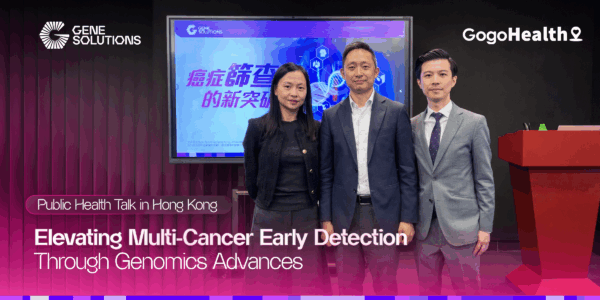
Cancer incidence continues to climb, yet many malignancies develop with non-specific symptoms that are easily mistaken for common conditions. This gap underscores the urgent need for broader and more comprehensive early detection strategies.
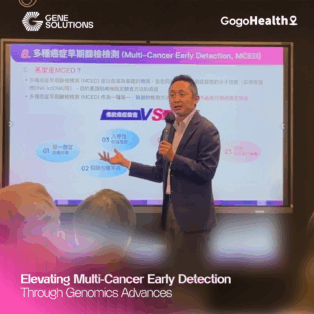
During the session, Dr. Ng Kim Pong Kenny presented on the topic “Technology Breakthrough of Multi-Cancer Screening in Hong Kong,” highlighting how emerging genomic innovations are reshaping the future of cancer detection.
He noted that while traditional tumor markers and single-cancer screening methods remain important, their scope is inherently limited. Advances in precision genomics now enable the detection of cancer-associated signals from multiple cancer types through a single blood draw, opening new possibilities for broader early detection.
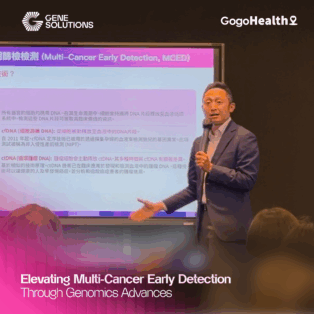
Supporting these advances in precision genomics, with a single 10 mL blood draw, a multi-omic and AI–powered blood test that supports detection of circulating tumor DNA (ctDNA) across 10 common and aggressive cancers, delivering 99.8% specificity and 78.1% sensitivity to enhance early detection and more precisely predict tumor location—often before physical symptoms appear.
Why this matters for Hong Kong
- Broader reach: One blood draw may help assess signals from multiple tumor types.
- Triage support: When a signal is detected, clinicians can prioritize confirmatory imaging and follow‑up diagnostics more efficiently.
- Patient experience: A single blood draw reduces barriers to screening and helps assess cancers with no standard screening (e.g., gastric, liver, ovarian, pancreatic).
Key takeaways from the health talk:
- Cancer is increasingly common, and many cancers lack specific early symptoms.
- Traditional tests remain valuable, but comprehensive approaches can widen the net for early detection.
- Multi‑omics, AI‑powered ctDNA testing can support clinicians with additional insights from a small blood sample.


