
Highlight Takeaways from the APAC Precision Oncology Conference 2025
On November 1, Hong Kong hosted a regional meeting focused on the evolving role of precision oncology. The APAC Precision Oncology Conference 2025, themed Artificial Intelligence (AI) & Multi-omics in Cancer Management, brought together experts from across Asia-Pacific to discuss how these tools are beginning to enter real-world practice.
Rather than positioning AI and multi-omics as distant revolutions, the program emphasized how they are already helping in selected contexts – enabling earlier detection, smarter treatment decisions, and continuous monitoring.
Hosted at Hotel ICON Hong Kong and co-organized by the Hong Kong Precision Oncology Society, The Hong Kong Polytechnic University, the Artificial Intelligence Association of Hong Kong and partners including Gene Solutions and the K-CONNECT Platform, the event gathered 13 faculty leaders and 150+ oncologists, researchers, and AI specialists – all united by one vision: transforming cancer care through data-driven innovation.
From First Slide to Final Question: A Unifying Theme
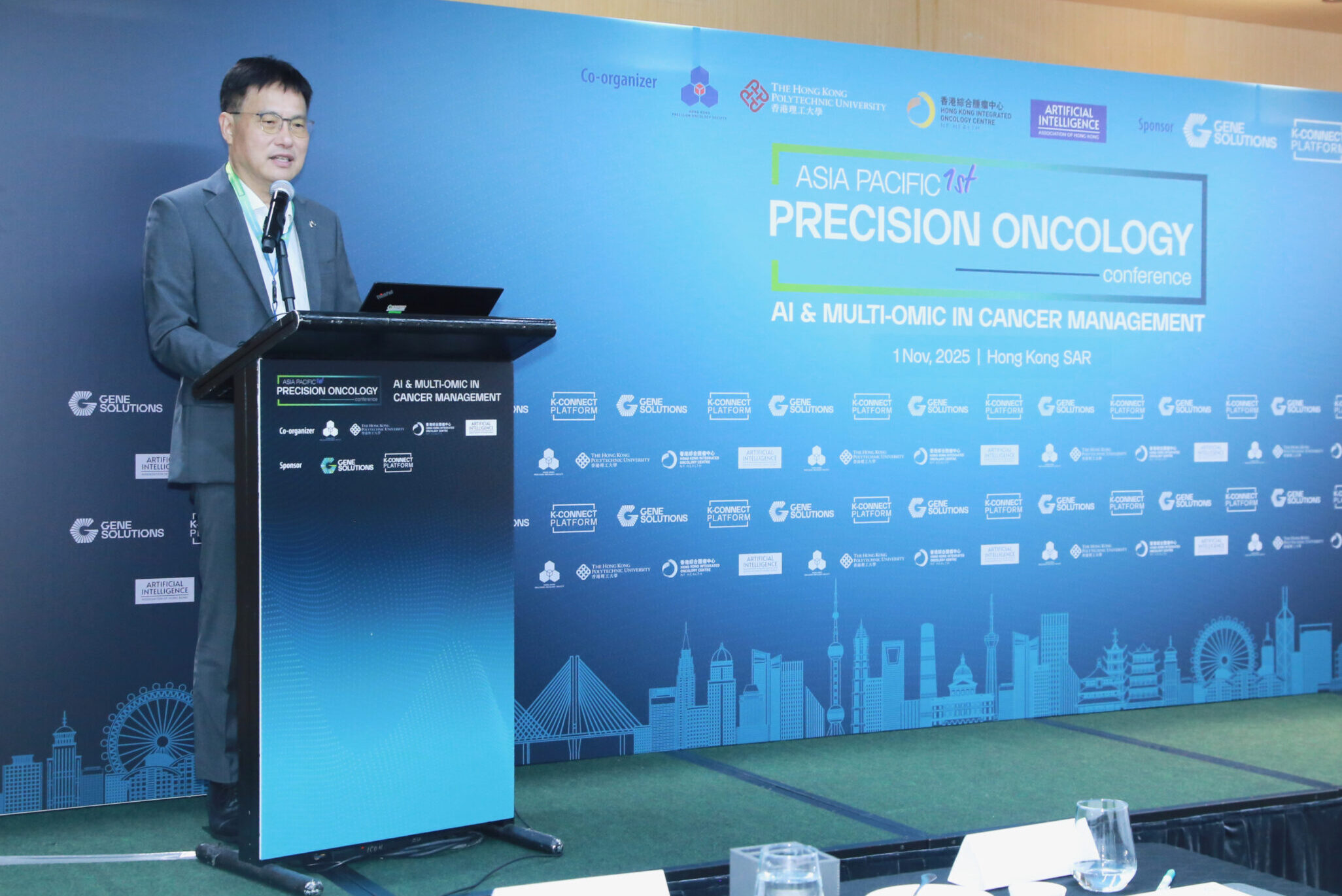
Dr. Joseph Siu-Kie Au, President of the Hong Kong Precision Oncology Society, delivering the opening remarks at the APAC Precision Oncology Conference 2025
One message echoed throughout the day:
AI and multi-omics are no longer “future tools”—they’re quietly rewiring how we screen, diagnose, and manage cancer across Asia-Pacific.
Across four sessions, speakers moved from discovery science to bedside application – showcasing AI’s emerging role in early detection, comprehensive genomic profiling, minimal residual disease (MRD) monitoring, and AI-enabled clinical workflows. The shared vision was of oncology that is more continuous, data-rich, and ultimately more individualized, while remaining firmly grounded in clinical judgment.
Session 1 – AI & Multi-omics in Cancer Screening and Diagnostics
The day opened with a deep dive into howAI and multi-omics can detect cancer long before it is visible on imaging.
Prof. Zhang Wei Xiong from The Hong Kong Polytechnic University unveiled the hidden world of noncanonical circular RNAs in his talk, “Noncanonical circular RNAs as cancer diagnostic biomarkers”, redefining the biomarker landscape. His team developed an AI-enhanced pipeline using large language models to detect these elusive RNA forms with high accuracy, paving the way for early cancer detection via liquid biopsy.
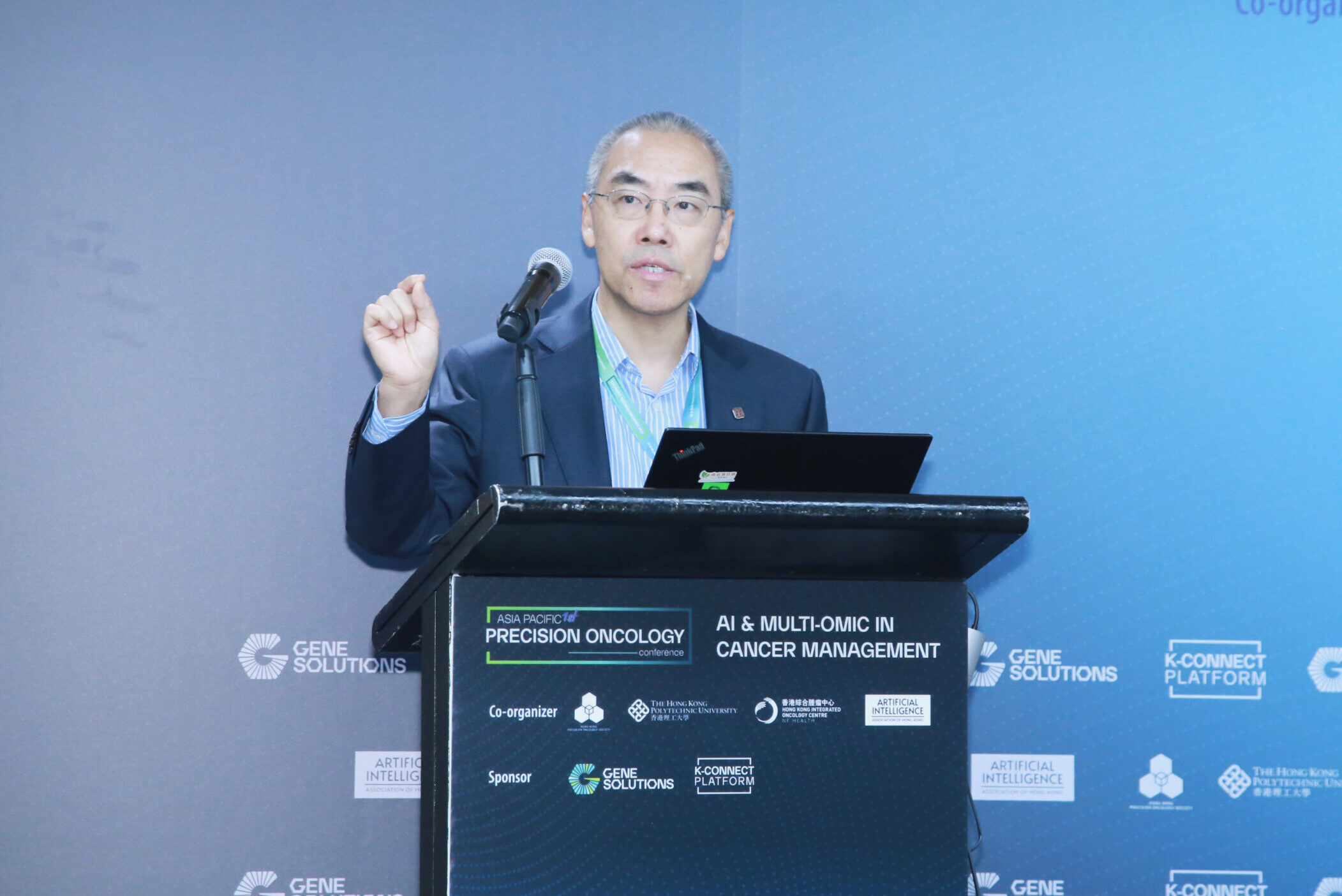
Prof. Zhang Wei Xiong from The Hong Kong Polytechnic University presents “Noncanonical circular RNAs as cancer diagnostic biomarkers,” sharing how AI-enhanced pipelines can detect noncanonical circular RNAs with high accuracy for early cancer detection via liquid biopsy.
Dr. Le Son Tran Principal Investigator at Gene Solutions then shifted the lens to multi-cancer early detection (MCED) using a multi-omics, AI-powered ctDNA test in his presentation, “ctDNA in cancer screening: Advanced Multi-Omic Data Engineering Tools and Multi-Model AI Algorithms to Enhance Clinical Utility”. Instead of relying on one signal, the platform integrates genomic, epigenomic, and fragmentomic features from a single blood draw to both detect cancer and suggest its tissue of origin. Validated in Asia’s first large-scale prospective study, SPOT-MAS achieved 78% sensitivity and 99% specificity, offering an affordable solution for population-wide cancer screening.
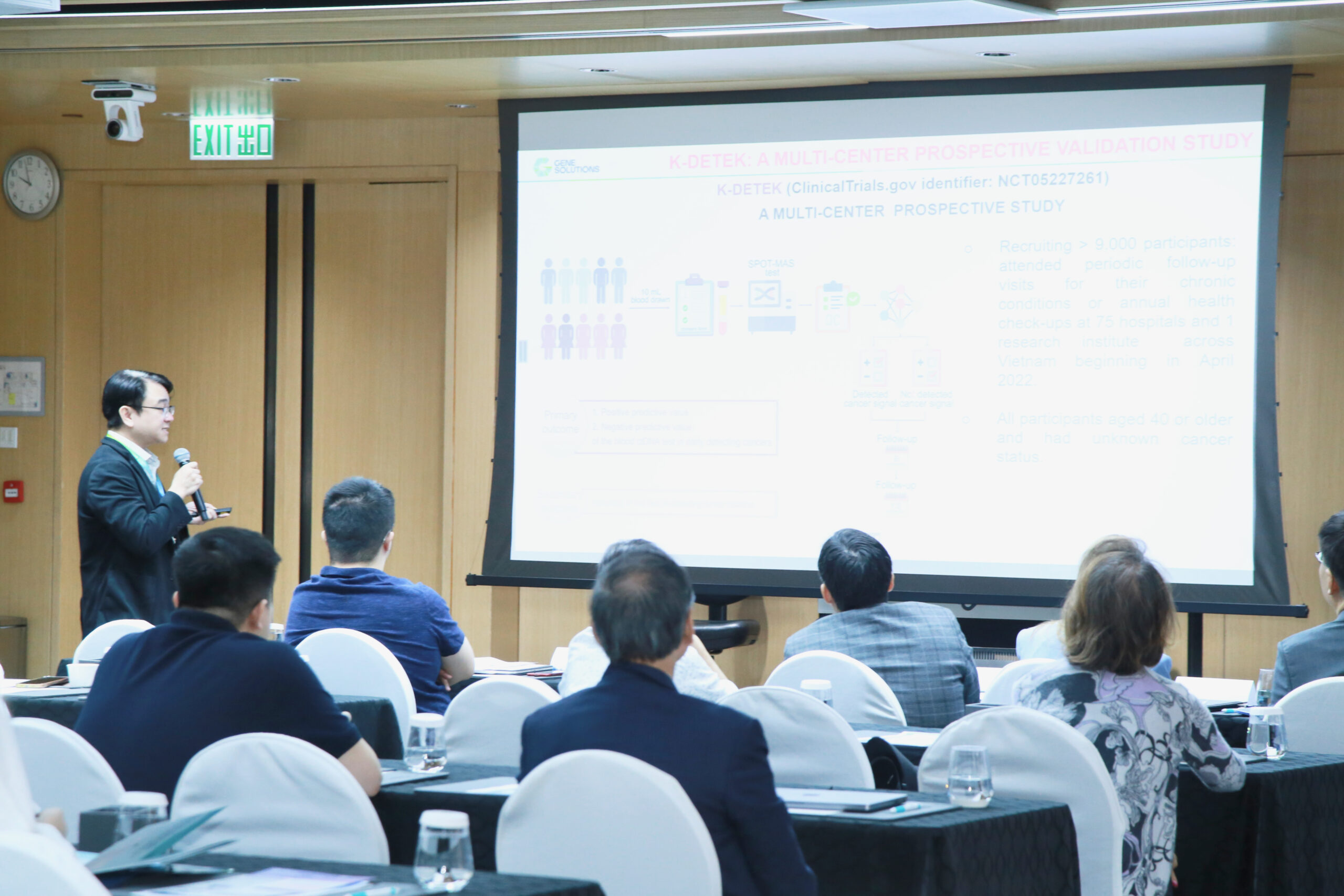
Dr. Le Son Tran, Principal Investigator at Gene Solutions, presents “ctDNA in cancer screening: Advanced Multi-Omic Data Engineering Tools and Multi-Model AI Algorithms to Enhance Clinical Utility,” showcasing SPOT-MAS – a multi-omics, AI-powered ctDNA test for multi-cancer early detection validated in Asia’s first large-scale prospective study.
A dynamic panel discussion, moderated by Ida D. Lindstroem, Global Medical Affairs Director at Gene Solutions, examined current screening practices across Asia and the transformative potential of MCED tests to complement standard-of-care programs, addressing late-stage diagnosis challenges and future pathways.
It began with Dr. Brendan Chia Seng Hup, Senior Consultant Radiation Oncologist at Raffles Medical Group, speaking from the frontline of patient care. His words carried the weight of reality: “Most cancers are still diagnosed at a later stage. MCED testing gives us confidence and direction – far beyond traditional biomarkers.” Then, with a note of optimism, he added: “With MCED tests, we get cancer tissue-of-origin information and high sensitivity, giving us a more targeted direction for follow-up. The improved affordability enables broader adoption without compromising accuracy.”
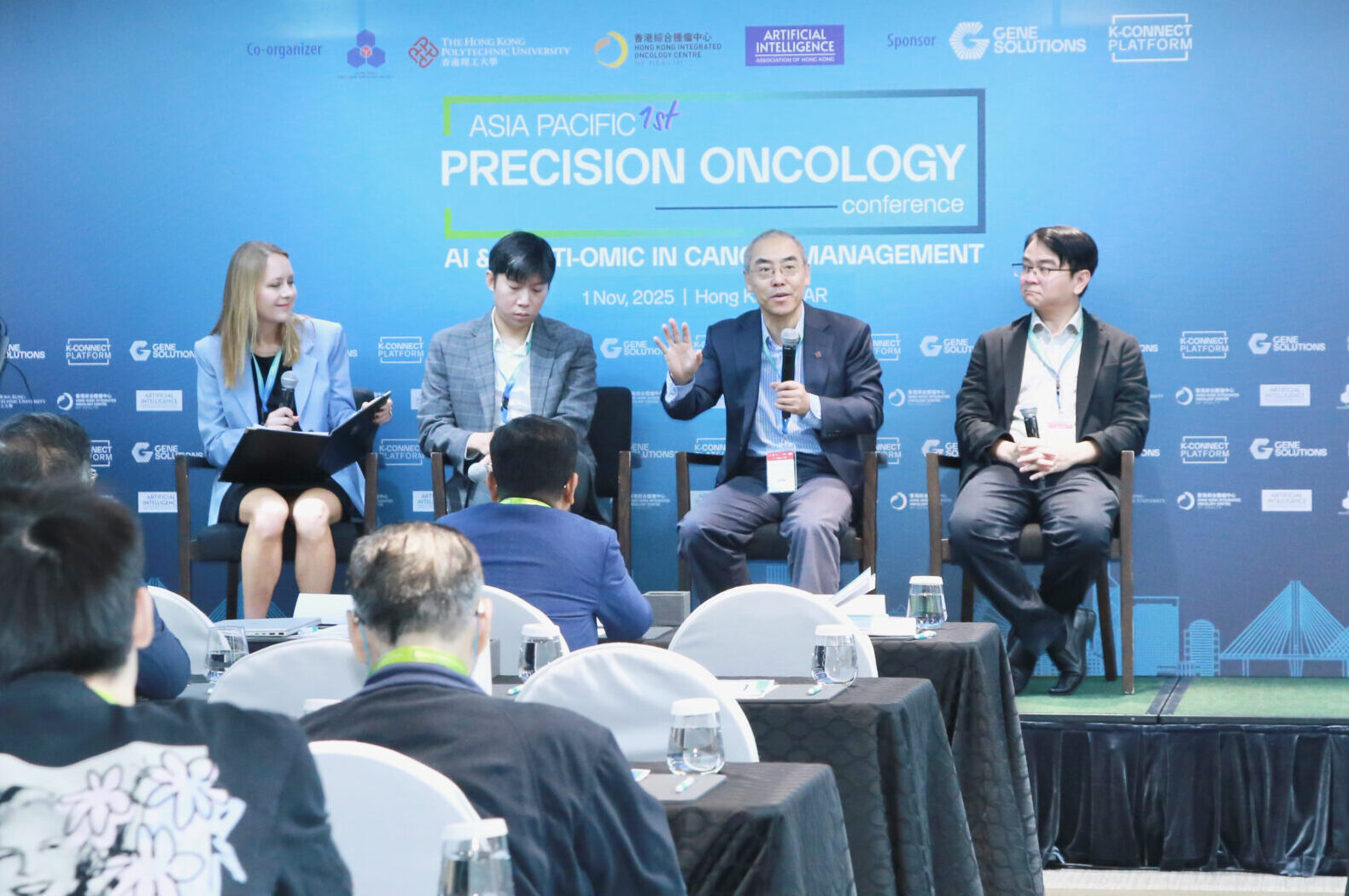
Panel discussion – Session 1 at the APAC Precision Oncology Conference 2025. From left to right: Ida D. Lindstroem (Global Medical Affairs Director, Gene Solutions), Dr. Brendan Chia Seng Hup (Senior Consultant Radiation Oncologist, Raffles Medical Group), Prof. Zhang Wei Xiong (The Hong Kong Polytechnic University), and Dr. Le Son Tran (Principal Investigator, Gene Solutions).
Then came Prof. Zhang Wei Xiong, the explorer of molecular “dark matter,” reminding us that discovery is a race against time: “The real opportunity lies in early detection. Collaboration between scientists and clinicians is critical to bridge the gap between discovery and practice.”. His insight was clear: biomarkers found in late-stage tumors may not whisper their secrets early, and that’s where AI must listen harder.
Finally, Dr. Le Son Tran, the architect of SPOT-MAS, brought the conversation full circle: “Bringing any test into real clinical use starts with a discovery phase, where we identify the most informative molecular features that truly capture early tumorigenesis. From there, we use AI tools like machine learning and network analysis to refine these into a small, targeted panel that is highly predictive yet affordable and feasible for real-world practice.” He spoke of balance – between depth and affordability—because innovation only matters if it reaches the people who need it most.
As the discussion closed, one truth echoed like wind through a forest: early detection saves lives, but only if science, technology, and clinical practice walk the path together.
Key takeaways
- AI and multi-omics are transforming cancer screening, enabling earlier, more accurate detection.
- Circular RNAs, especially noncanonical forms, represent a new frontier for biomarker discovery.
- Multi-omics approaches outperform single-biomarker tests, offering higher sensitivity across diverse cancer types.
- Affordability and accessibility remain critical for large-scale adoption – AI-driven feature selection can help balance cost and performance.
- Collaboration across research, technology, and clinical practice is essential to accelerate innovation and implementation.
Session 2 – Multi-Omics Technologies in Comprehensive Genomic Profiling (CGP) and Transcriptomic Profiling for Precision Oncology
If Session 1 asked how we find cancer earlier, Session 2 asked how we truly understand it once it’s found.
Dr. Joseph Siu-Kie Au, President of the Hong Kong Precision Oncology Society, laid the conceptual foundation for a more holistic model of cancer care in his presentation, “Holistic approach to Precision Oncology”. He highlighted that achieving true precision requires moving beyond isolated data points toward an integrated view of cancer’s complexity – capturing its dynamic and heterogeneous nature across time. “AI will serve as the orchestrator, fusing multi-omics, clinical history, and imaging into actionable insights”, he said.
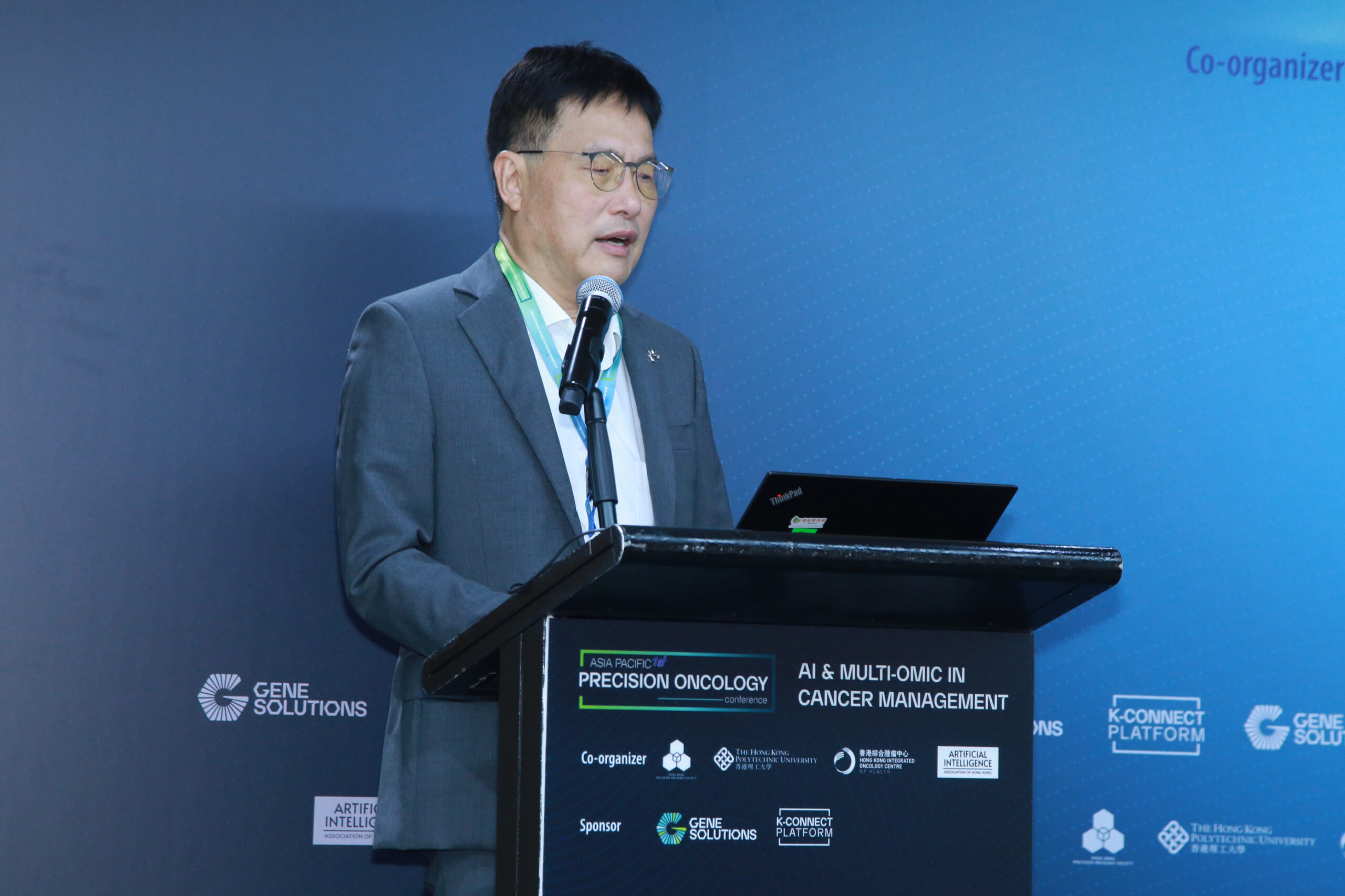
Dr. Joseph Siu-Kie Au, President of the Hong Kong Precision Oncology Society, delivers his talk “Holistic approach to Precision Oncology” at the APAC Precision Oncology Conference 2025
Building on this, Prof. Aya Helali from Queen Mary Hospital, in her presentation “Precision Oncology and MTB in Greater Bay Areas”, spotlighted the role of Molecular Tumor Boards (MTBs) – expert panels that bring together multi-omics data, clinical context, and therapy options to guide real-world treatment. “Cancer is not a single disease,” she emphasized. “MTBs help us interpret complex genetic results and make individualized treatment plans.”
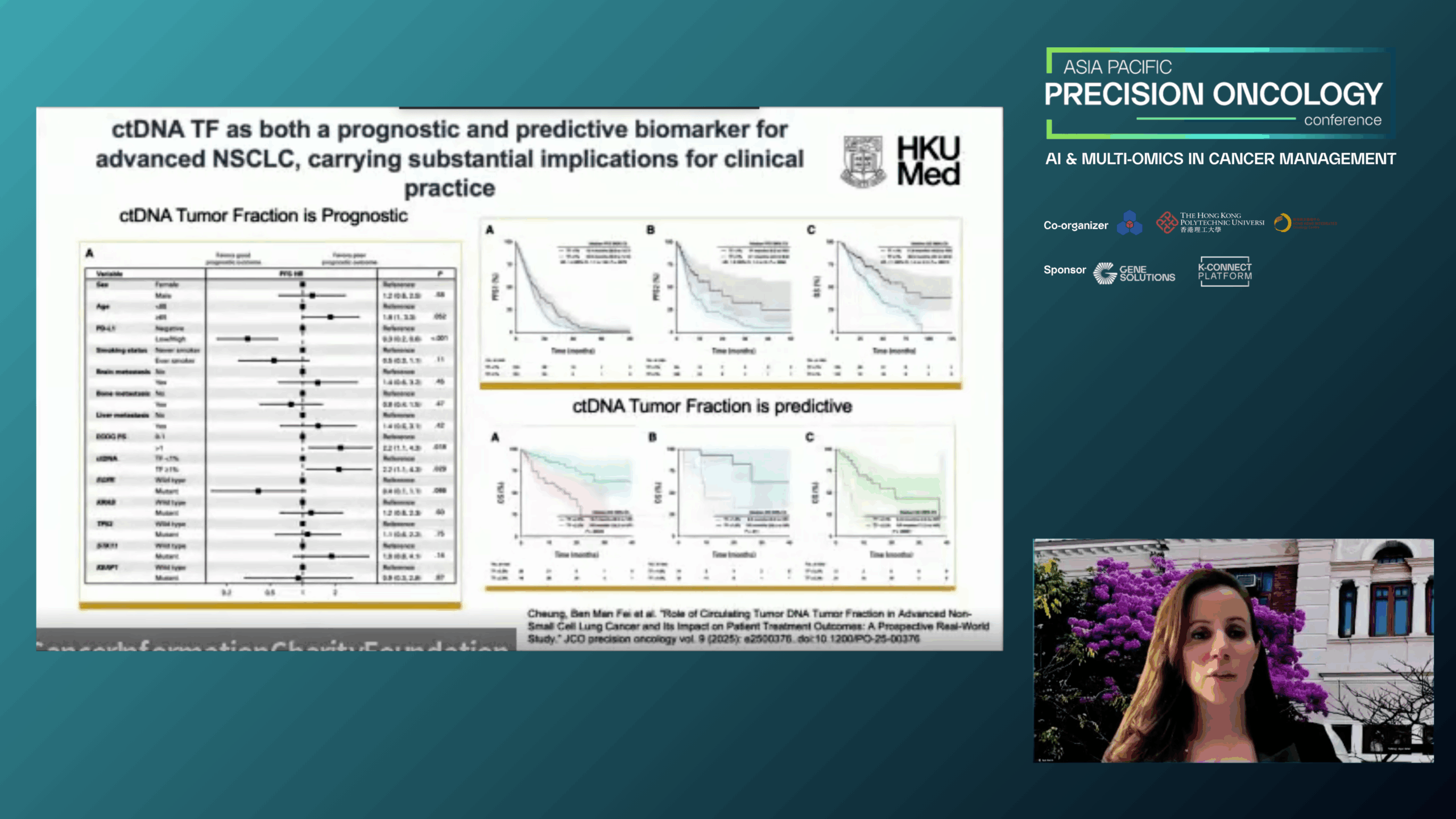
Prof. Aya Helali from Queen Mary Hospital delivers her virtual talk “Precision Oncology and MTB in Greater Bay Areas” at the APAC Precision Oncology Conference 2025, spotlighting how Molecular Tumor Boards (MTBs) integrate multi-omics data, clinical context, and therapy options to guide individualized cancer treatment decisions.
Dr. William Cho from Queen Elizabeth Hospital closed the session with his presentation, “Micro-RNA and its potential applications in cancer management” taking the audience back to a molecule that helped launch the RNA revolution: microRNA (miRNA). Once dismissed as “junk,” non-coding RNAs are now recognized as powerful regulators of oncogenesis and the tumor microenvironment. Dr. Cho walked through decades of work on miRNA signatures in lung cancer and nasopharyngeal carcinoma and showed how circulating miRNAs and extracellular vesicles are emerging as stable, blood-based biomarkers for diagnosis, prognosis, and treatment monitoring.
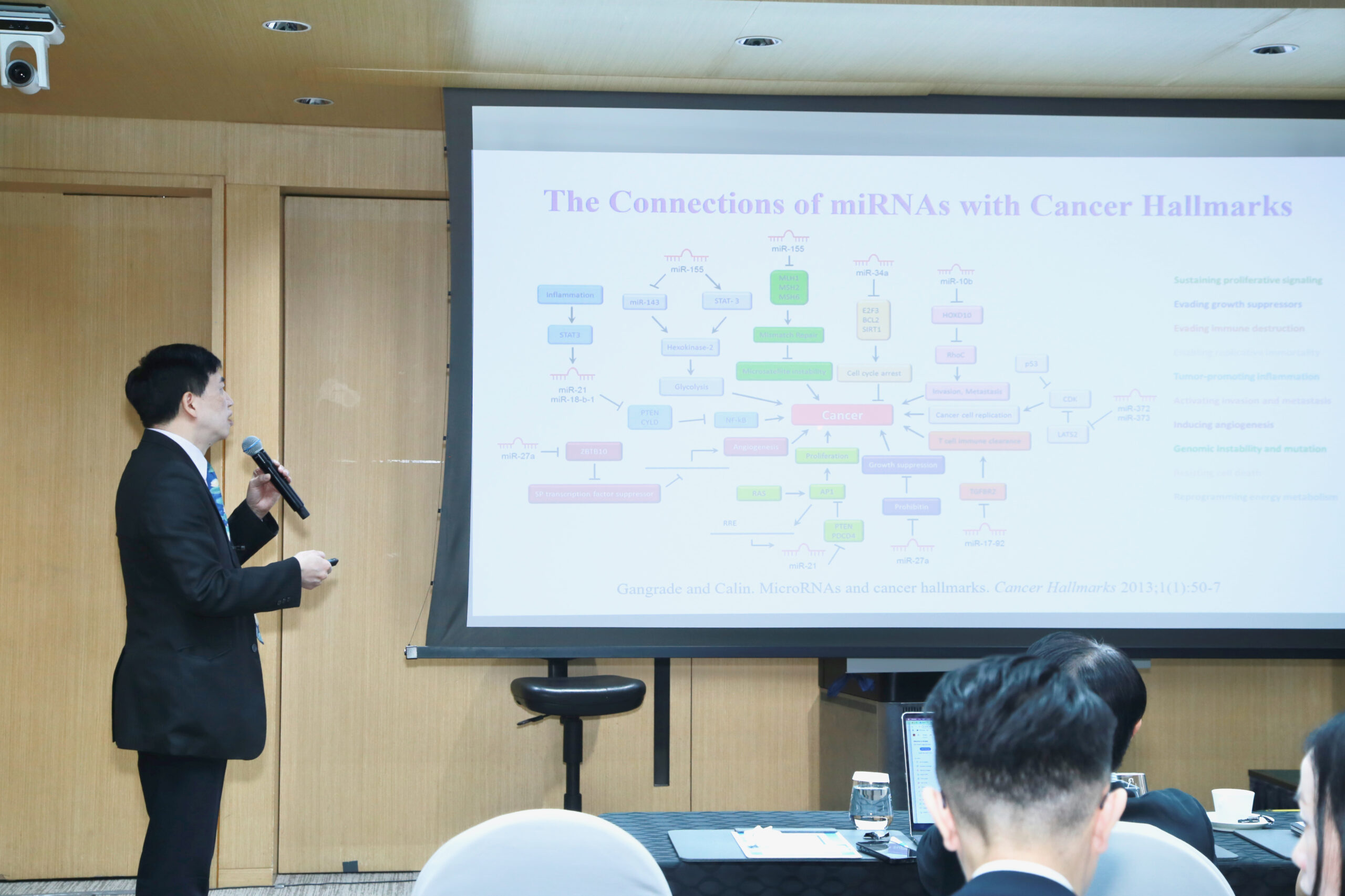
Dr. William Cho from Queen Elizabeth Hospital delivers his talk “Micro-RNA and its potential applications in cancer management” at the APAC Precision Oncology Conference 2025
The panel discussion focused on operationalizing genomic and transcriptomic insights in real-world clinical settings across Asia. Prof. Aya Helali stressed collaboration in MTBs to translate complex data into actionable care. While Dr. William Cho reflected on building one of Hong Kong’s largest biobanks and emphasized this is the foundation for future precision breakthrough. Dr. Joseph Siu-Kie Au underscored the need for scalable and explainable AI in oncology: “AI must go beyond black-box predictions. We need models that handle time-series data, respect the biological complexity of cancer, and provide clinicians with actionable, transparent insights.”
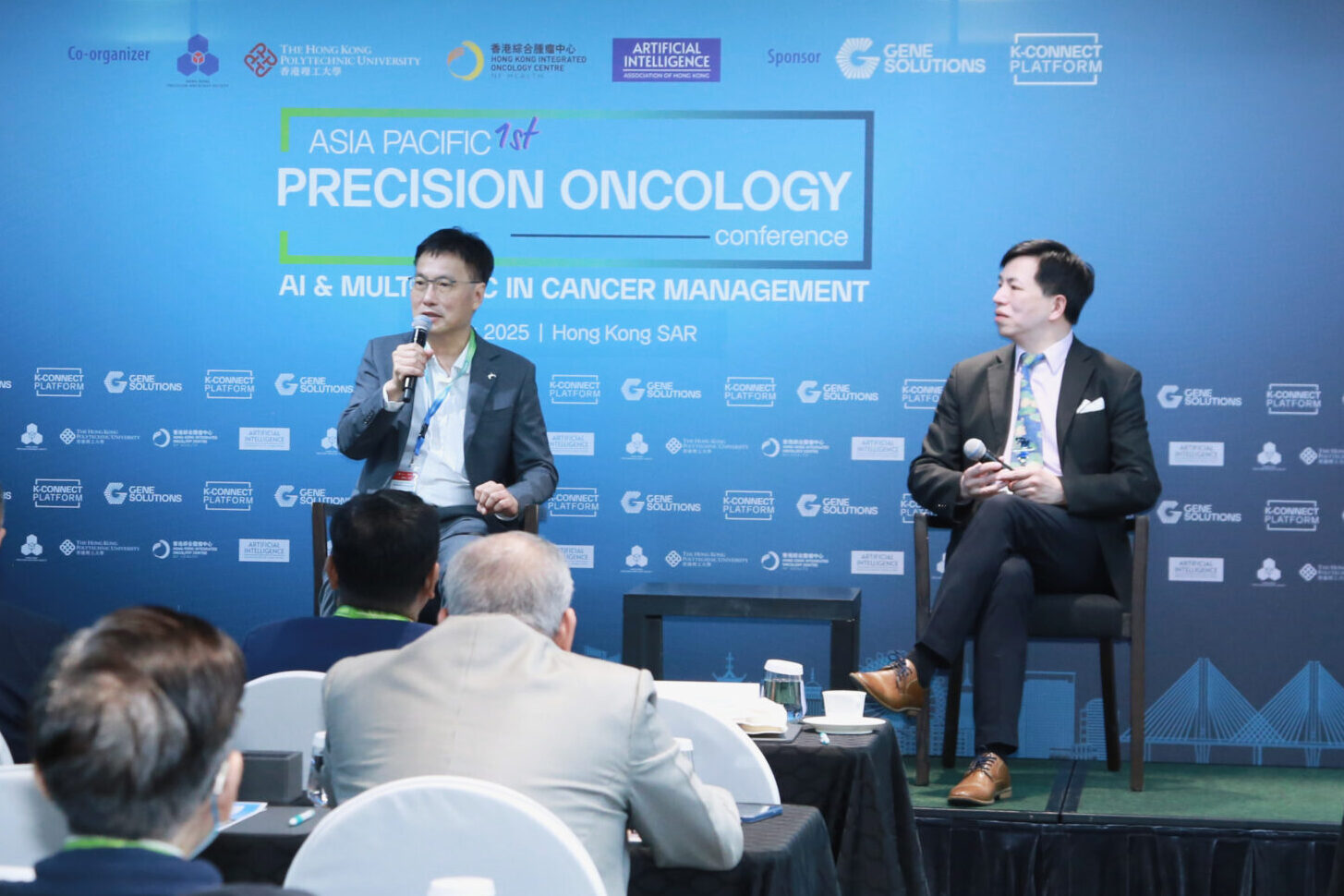
Panel discussion – Session 2 at the APAC Precision Oncology Conference 2025 on operationalizing genomic and transcriptomic insights. From left to right on stage: Dr. Joseph Au (President, Hong Kong Precision Oncology Society) and Dr. William Cho (Queen Elizabeth Hospital), with Prof. Aya Helali (Queen Mary Hospital) joining virtually.
Key Takeaways
- Holistic precision oncology integrates multi-omics data with longitudinal patient monitoring to build dynamic, individualized care models.
- AI-powered architectures can manage irregular, episodic patient data to predict disease trajectories and guide therapy.
- Molecular Tumor Boards (MTBs) enhance decision-making by contextualizing complex CGP and transcriptomic data into actionable treatment paths.
- Liquid biopsy and miRNA profiling offer non-invasive, real-time biomarkers for early detection, monitoring, and therapy selection.
Session 3 – Minimal Residual Disease (MRD) Monitoring in Cancer
Circulating tumor DNA (ctDNA) monitoring is emerging as a key approach for detecting molecular residual disease (MRD) and informing treatment strategies following surgery or initial therapy—offering clinicians earlier, molecular-level insights into recurrence risk and disease progression.
Opening the session with his presentation, “Current clinical practice and future directions of ctDNA monitoring”, Dr. Terence Aik Huang Tan, Senior Consultant Medical Oncologist at Raffles Medical Group, emphasized how far the science has come: “We no longer need to debate whether ctDNA MRD is sensitive or specific – through 15 years the data is already strong. The real question now is where and how to use it in clinical practice.”
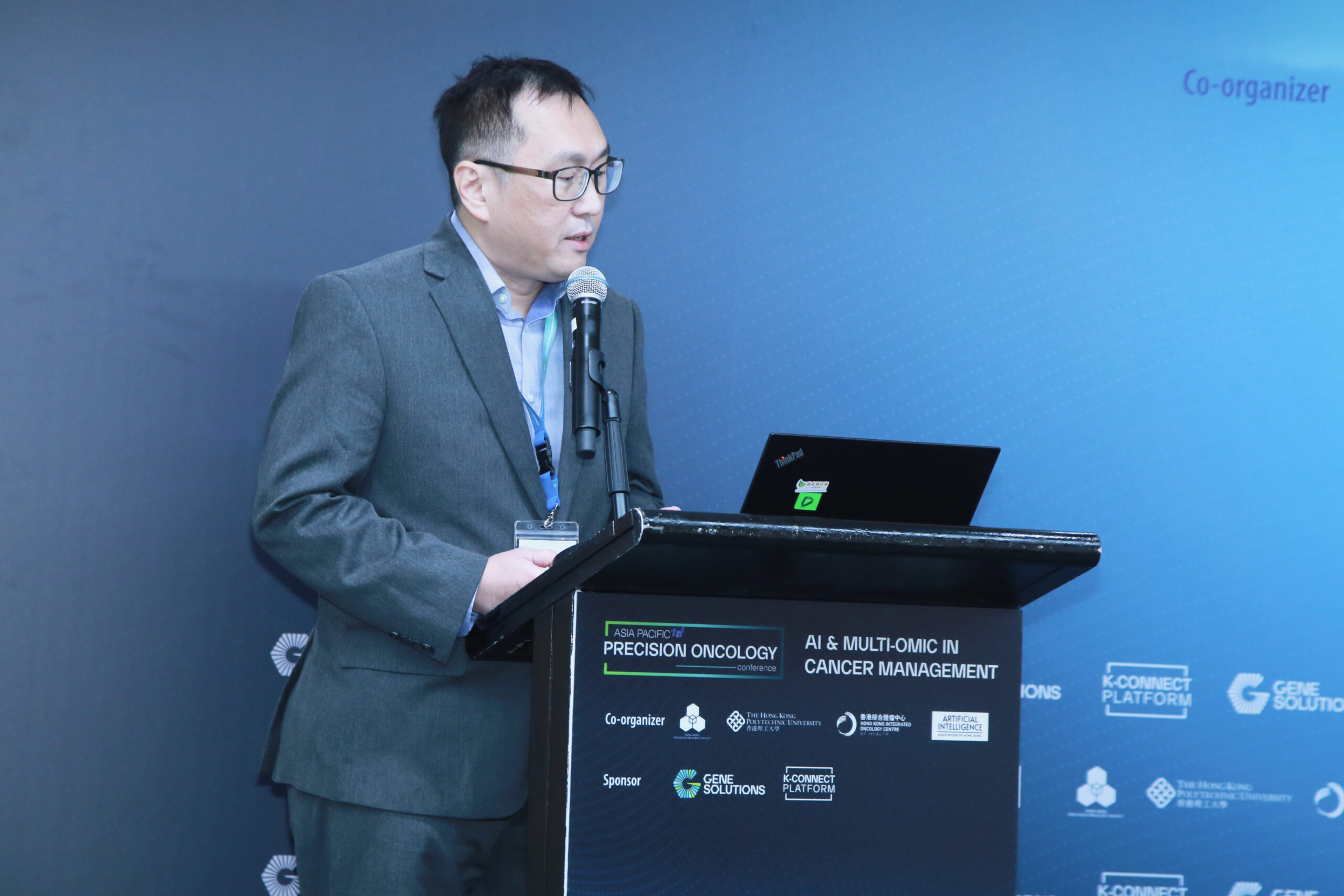
Dr. Terence Aik Huang Tan, Senior Consultant Medical Oncologist at Raffles Medical Group, delivers his talk “Current clinical practice and future directions of ctDNA monitoring” at the APAC Precision Oncology Conference 2025.
Through interactive case studies and live polling, Dr. Terence Aik Huang Tan demonstrated a major shift in clinical mindset: nearly all participants agreed that post-operative ctDNA-MRD monitoring should be part of shared decision-making. He also highlighted the dual prognostic and predictive roles of MRD, from resistance monitoring to its integration into contemporary clinical trial designs.
Continuing the conversation, Dr. Ye Gang from Foshan Fosun Chancheng Hospital, in his presentation “Real-world ctDNA data monitoring in Asia: From bedside to bench and back – an oncologist’s perspective on multi-omics and MRD”, used an “iceberg” visual to explain ctDNA’s value: “ctDNA helps us detect what’s hidden below the surface.” He compared tumor-informed and tumor-naïve approaches and presented data from landmark studies such as TRACERx (lung), CIRCULATE-Japan (colorectal), and Gene Solutions’ real-world study (breast). These studies consistently show that ctDNA-negative patients have better outcomes than ctDNA-positive ones. Dr. Ye Gang also discussed regional challenges such as cost, infrastructure, and standardization, and proposed future directions including multi-omics integration and AI-enhanced models to improve sensitivity and specificity.
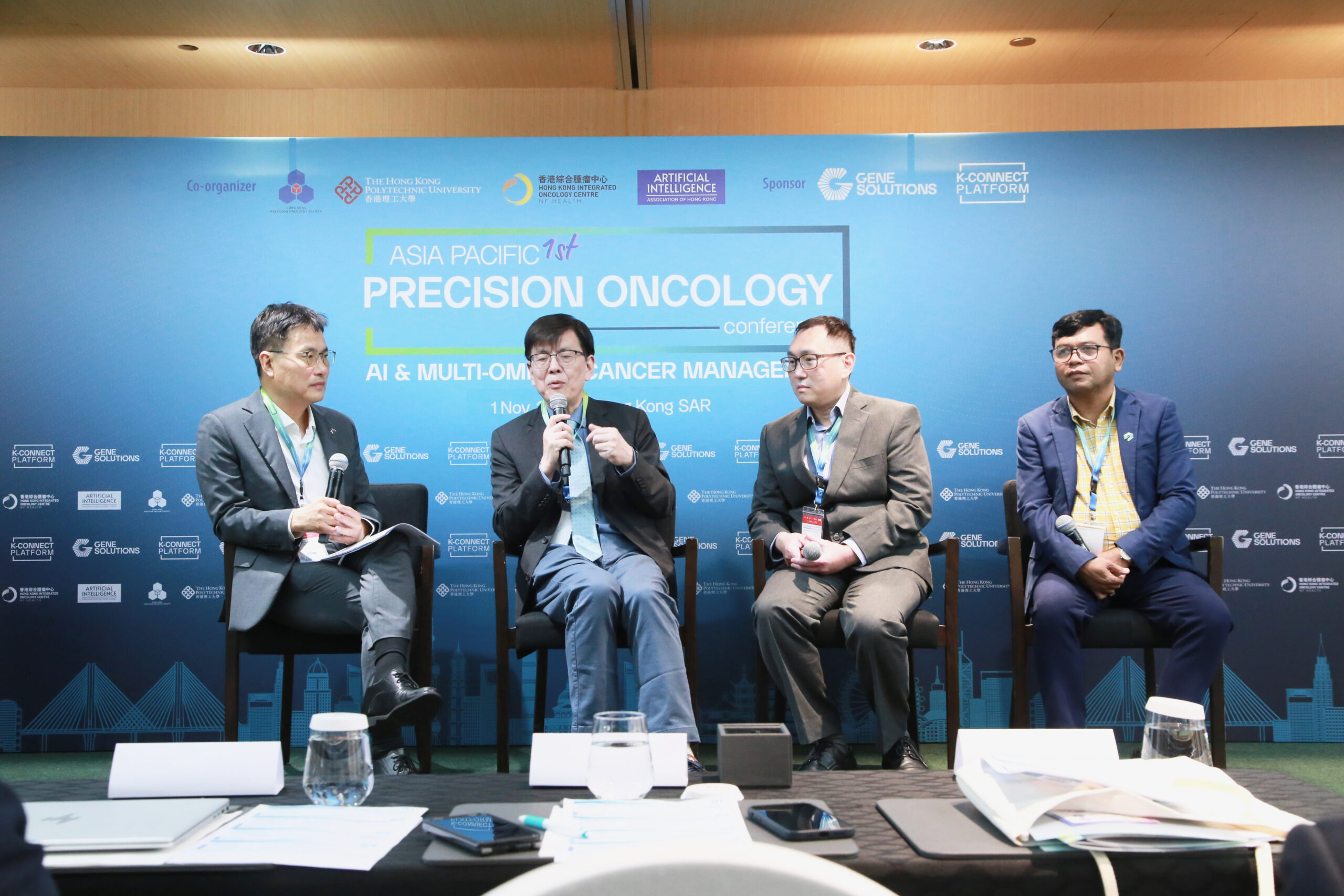
Panel discussion – Session 3 on ctDNA-MRD at the APAC Precision Oncology Conference 2025. From left to right: Prof. Joseph Au (President, Hong Kong Precision Oncology Society), Dr. Ye Gang (Foshan Fosun Chancheng Hospital), Dr. Terrence Tan (Senior Consultant Medical Oncologist, Raffles Medical Group), and Dr. Duy Sinh Nguyen (Head of Oncology Medical, Gene Solutions).
In the panel discussion, Dr. Joseph Siu-Kie Au emphasized the need for definitive trials to confirm survival and quality-of-life benefits, while Dr. Ye Gang reiterated the importance of real-world evidence: “I believe that MRD-guided care will improve patient outcomes, we now need more real-world data.”
The session emphasized that ctDNA monitoring is no longer just a research tool. It’s already influencing how doctors personalize cancer care — not by replacing clinical decision, but by enhancing it with sharper, molecular-level insights.
Key Takeaways:
- ctDNA-MRD is a powerful prognostic tool across multiple solid tumors, with growing evidence supporting its clinical utility.
- Clinical spaces of need (e.g., Merkel cell carcinoma, DLBCL) and spaces of equipoise (e.g., early-stage colon and breast cancer) are prime areas for ctDNA-MRD application.
- Multi-omics integration enhances detection sensitivity and specificity, addressing tumor heterogeneity.
- Real-world evidence from Asia strengthens ctDNA-MRD’s predictive value, but challenges remain in cost, standardization, and infrastructure.
- Future directions from prognosis to utility. Priority areas include prospective MRD-guided escalation/de-escalation trials, AI-assisted multi-omic models, standardization, cost reduction, and regional policy partnerships to speed access
Session 4 – The Future of AI & Multi-omics Integration in Clinical Oncology
The final session explored how AI and multi-omics could enhance cancer care – from biologically guided radiotherapy and AI-assisted surgery to system-level designs that make clinical decision support safer, smarter, and more transparent.
In his presentation, “AI and Multi-omics for Precision Cancer Radiotherapy”, Prof. Cai Jing from The Hong Kong Polytechnic University (PolyU) focused on AI-enhanced radiotherapy, highlighting how MR-guided radiotherapy, radiomics, and machine learning are being combined to automate contouring, predict normal tissue toxicity, and adapt plans in near real time. Integrating imaging data with genomic and clinical variables opens the door to truly biologically guided radiotherapy, where dose is tailored not only to anatomy but to tumor biology.
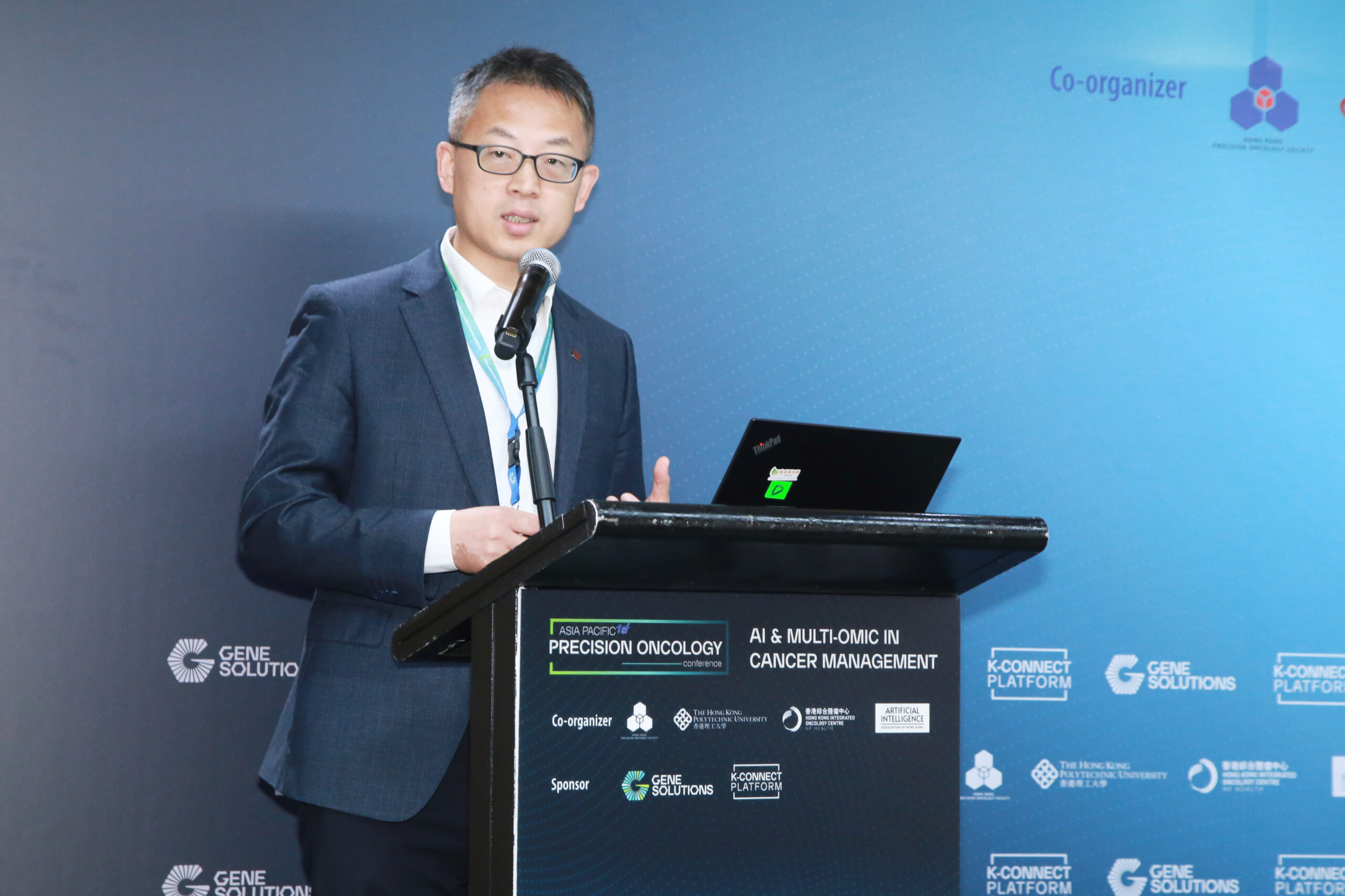
Prof. Cai Jing presents “AI and Multi-omics for Precision Cancer Radiotherapy” at the APAC Precision Oncology Conference 2025.
From the surgical side, Dr. Xuhua Huang from Zhejiang University School of Medicine, in his presentation “AI Large Models Facilitate Transformation in Clinical Specialties – Analysis and Exploration of Application Scenarios in Thoracic Society,” offered a thoracic surgeon’s view on how large AI models are transforming care – from preoperative risk prediction and 3D planning to intraoperative navigation and postoperative monitoring. He described an “end-to-end optimization from screening to cure,” where multimodal AI models continuously learn from surgical videos, imaging, and outcomes to refine decision support for the next patient.
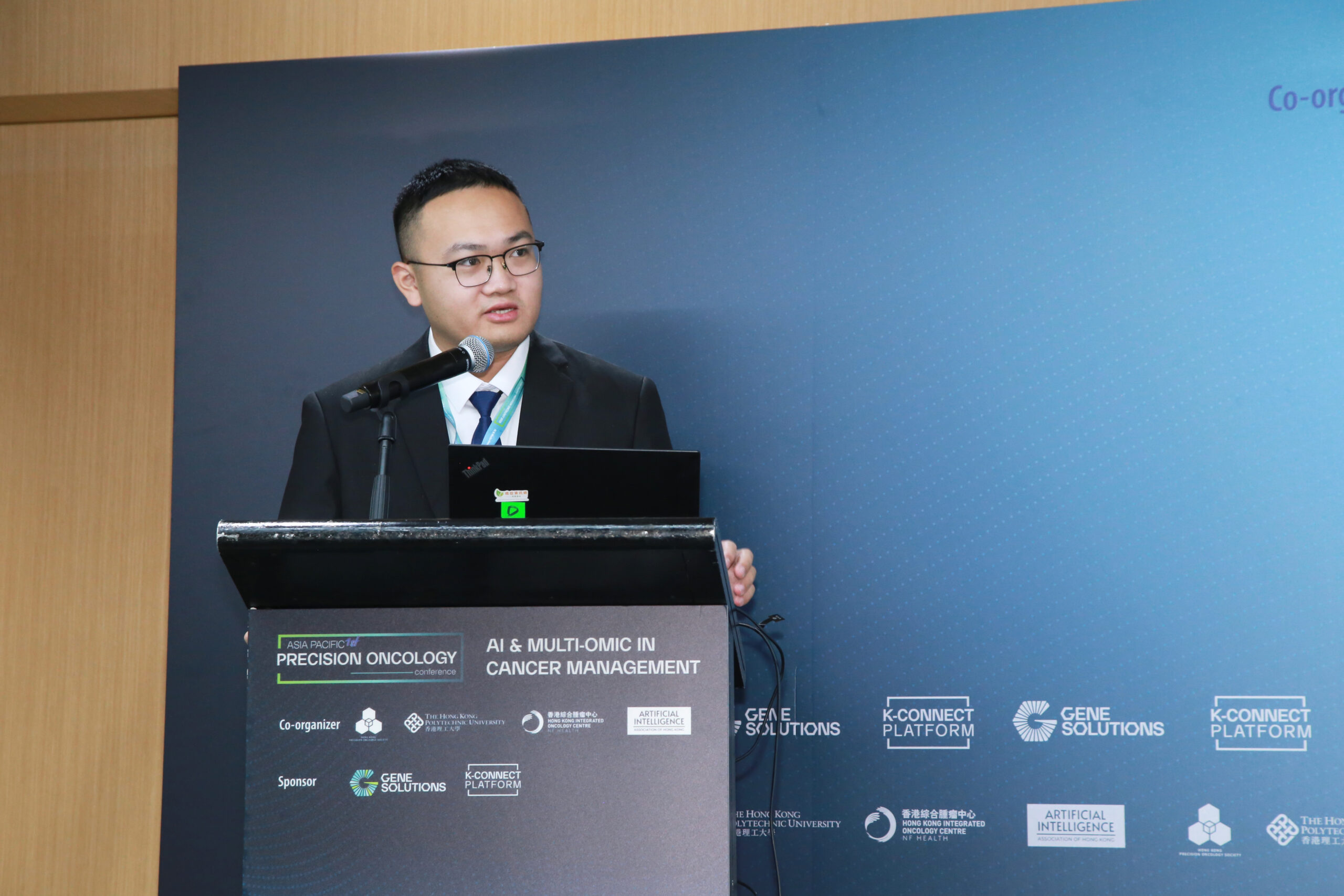
Dr. Xuhua Huang presenting “AI Large Models Facilitate Transformation in Clinical Specialties – Analysis and Exploration of Application Scenarios in Thoracic Society” at the APAC Precision Oncology Conference 2025.
In the closing talk, Dr. Ho Lawrence Yuk Lung, Co-Chair at Artificial Intelligence Association of Hong Kong, in his presentation “AI-Enabled Delivery in Clinical Settings: Turning Continuous Patient Data into Actionable Care”, turned the spotlight on the limitations of today’s large language models in medicine. A single “super prompt” applied to complex JAMA cases, he noted, achieved only modest accuracy – a powerful reminder that “zero-shot, one-turn prompting is inadequate” for safe clinical decision support. He argued for system-level AI design: robust data pipelines, domain-specific fine-tuning, explicit guardrails, and human-in-the-loop review, paired with continuous evaluation in real-world workflows.
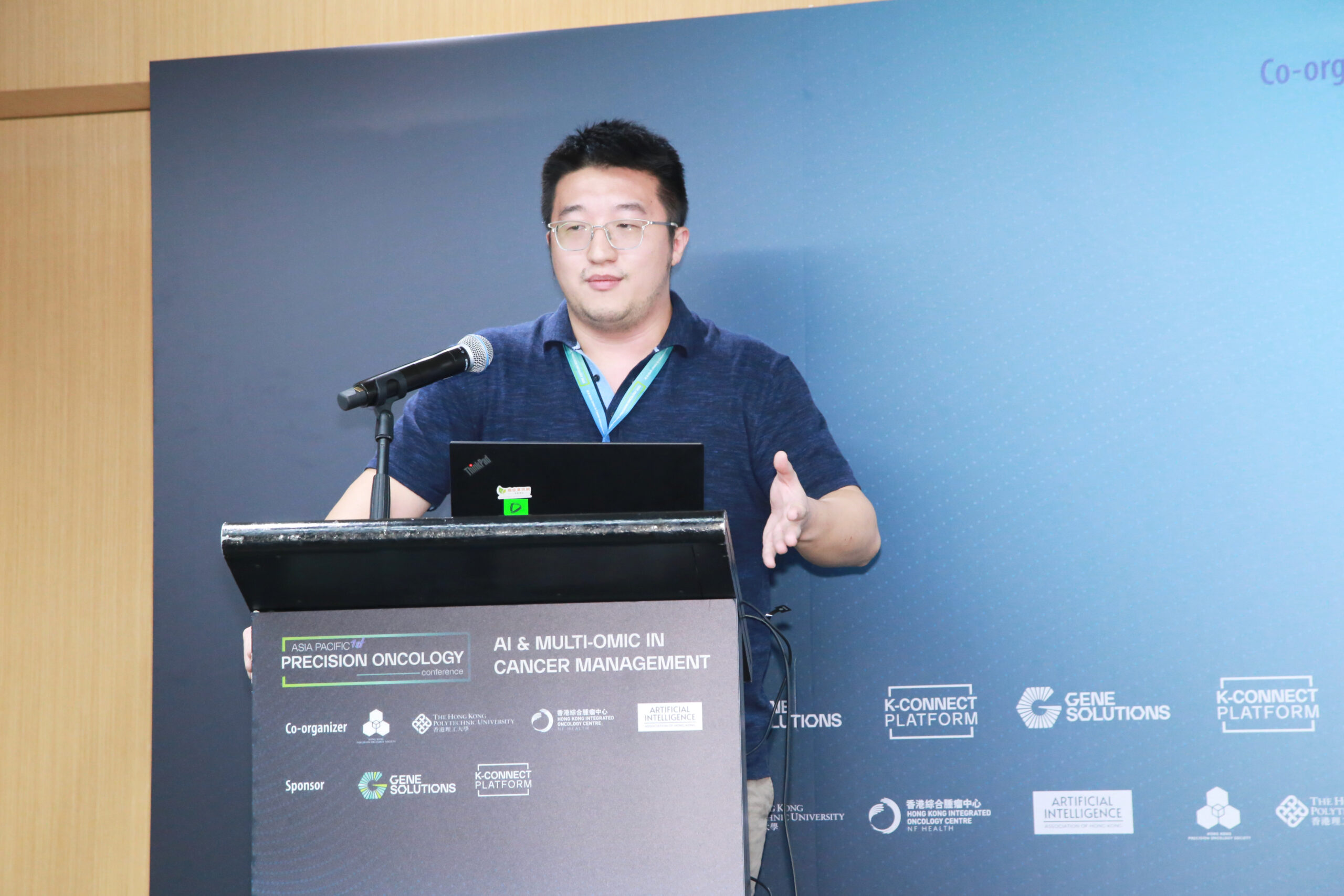
Dr. Ho Lawrence Yuk Lung presents “AI-Enabled Delivery in Clinical Settings: Turning Continuous Patient Data into Actionable Care” at the APAC Precision Oncology Conference 2025.
Together, these talks painted a future in which smart hospitals, AI-native workflows, and multi-omic digital twins are technically feasible – but only if we solve for transparency, governance, equity, and trust.
Closing Remarks
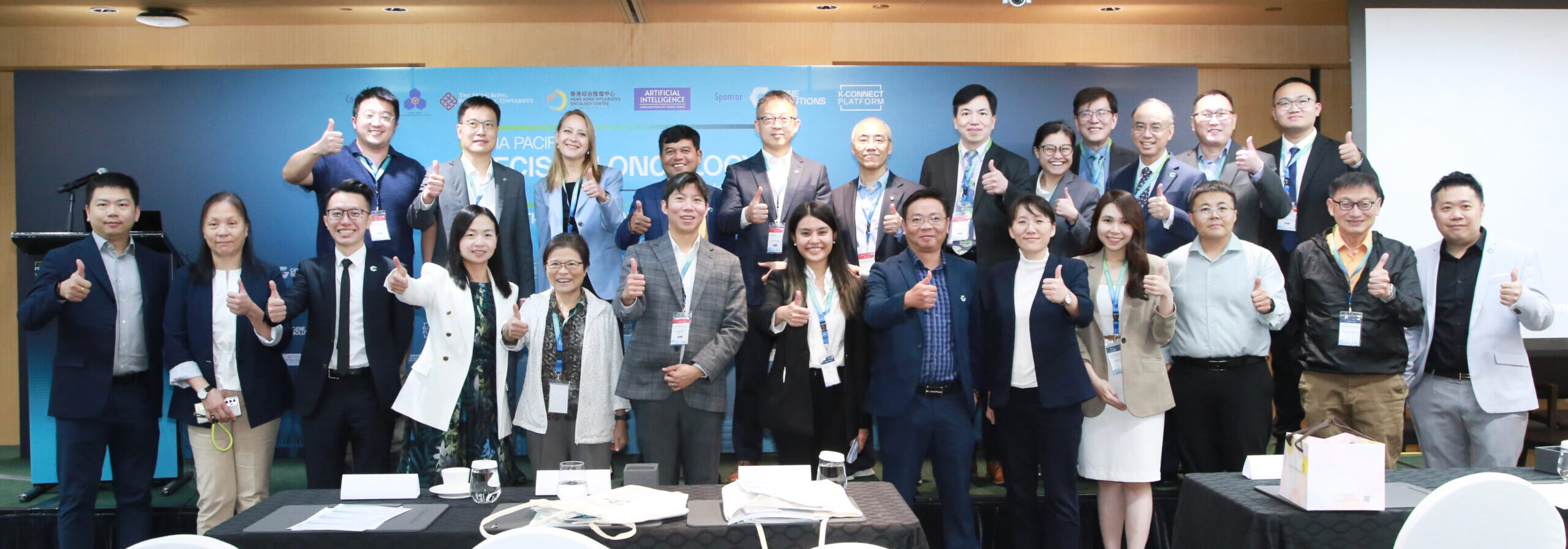
Group photo of speakers, moderators, and organizers at the APAC Precision Oncology Conference 2025 in Hong Kong, co-organized by the Hong Kong Precision Oncology Society, The Hong Kong Polytechnic University, the Artificial Intelligence Association of Hong Kong and sponsors including Gene Solutions and the K-CONNECT Platform.
As the conference drew to a close, the spotlight turned to practical innovation. Gene Solutions showcased K-TRACK and K-4CARE – validated platforms that combine genomic and transcriptomic profiling with ctDNA-based MRD monitoring. These solutions enable clinicians to track treatment response and recurrence risk longitudinally, supporting truly personalized care in real time.
Dr. Nguyen Duy Sinh, Oncology Medical Director at Gene Solutions, explained: “Integrating both genomic and transcriptomic data helps clinicians explore greater potential for identifying suitable treatments. Moreover, the multi-omics application in ctDNA-MRD monitoring has demonstrated better performance in our study compared to previous single-dimensional approaches.”
As the day concluded, one insight stood out:
APAC is not just catching up in precision oncology—it is helping define what the next decade of AI- and multi-omics–enabled cancer care will look like.


